
If you spend most of your day at a computer in the office, sooner or later you notice fatigue, back pain, or decreased concentration. A reasonable question arises: is it possible to maintain good well-being and productivity despite constant sitting? Your body is designed in such a way that it requires movement, almost like a machine needs regular lubrication to function properly. Why is daily mobility not just a recommendation, but a necessity for everyone who works in an office?
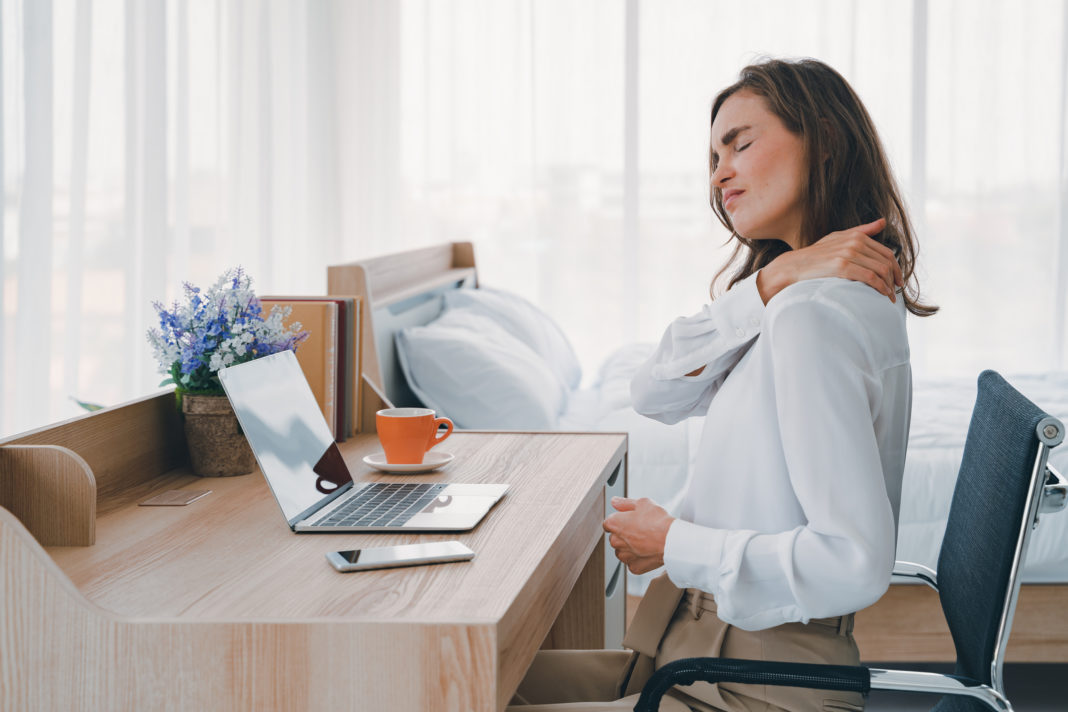
Why office workers need movement every day
Short-term physical activity during the workday not only maintains muscle tone but also helps preserve work capacity. According to the World Health Organization (WHO), regular breaks and exercises reduce the risk of cardiovascular diseases and chronic fatigue. Even a few minutes of activity per hour can improve blood circulation and increase attention levels.
Real-life examples confirm this: employees who do short warm-ups during the day report fewer complaints of fatigue and muscle pain. The longer a person sits without moving, the higher the risk of reduced productivity and the development of chronic health problems.
What dangers does a sedentary lifestyle pose
Physical inactivity leads to muscle weakening, impaired blood circulation, and congestion in the body. Studies show that in recent years, the number of diseases associated with sedentary work has noticeably increased. Varicose veins, back pain, and hemorrhoids are now increasingly common among office workers.
Manual therapist Vladimir Friedman notes: prolonged sitting provokes physiological changes, due to which tissues gradually lose their functions. Special attention should be paid to such a phenomenon as thoracalgia—this is pain in the thoracic region caused by nerve compression and weakness of the back muscles. Add to this poor nutrition and lack of water—and it becomes even harder for the body to cope with stress.
How to reduce the harm of sedentary work
The recommendation of specialists is simple: take breaks and change your working posture at least once an hour. Workplace arrangement also plays a role: the chair should support the lower back, the monitor should be at eye level, and the keyboard should be at a comfortable height.
Physical activity outside the office is also important. Gym workouts, swimming, therapeutic exercise (LFC), and massage complement each other perfectly. Experts advise combining types of activity for maximum effect. At the same time, it is important to consult a doctor before choosing a program, especially if you have chronic diseases. An example of a successful experience is the team of one IT startup, which introduced mandatory five-minute warm-ups after each meeting and noticed an increase in productivity.
What alternatives are available for office workers
Not all types of physical activity are equally suitable for different people. Going to the gym is effective for maintaining tone and strengthening muscles, but it requires extra time. Swimming helps not only the body but also the nervous system, relieving stress and improving joint flexibility.
Therapeutic exercise is useful for those who want to improve their health gradually and safely. Massage is an excellent supplementary method, but without regular training its benefits quickly fade. It is important to choose an individual solution based on your own needs and your doctor's recommendations. For people with varicose veins, for example, intensive strength training is contraindicated, and for joint problems, it is better to choose swimming.
The benefits of training for sedentary work
Regular physical exercise with a sedentary lifestyle has a comprehensive effect on the body. It improves blood circulation, reduces muscle tension in the neck and lower back, increases energy levels, and helps fight chronic fatigue.
In addition, movement promotes the production of endorphins, which directly affects stress resistance and concentration. In the long term, even moderate workouts reduce the risk of spinal, cardiovascular, and metabolic diseases, forming a stable foundation for productive and comfortable work.
Many resources where it is assumed that a person will spend a lot of time also try to provide a notification that it is time to exercise. For example, some online casinos offer to do a warm-up during long sessions through the app, and major online games use system reminders about the need to change posture and engage in short-term physical activity.
We decided to look for the largest online casinos through the most popular gambling games today, and one of these turned out to be Plinko. One of the popular sites that collects offers from online casinos where you can play this game on the site plinkogamesonline.org features online casinos where elements of session control are implemented, including reminders to take a break and restore physical activity.
Practical exercises for the office with equipment
Doing exercises right at your workplace is convenient and beneficial for your health. The main rule is to exercise caution and not overexert yourself. It is recommended to devote 5–10 minutes to a warm-up every hour to maintain tone and improve well-being.
A selection of simple exercises:
- Leg extensions with a resistance band
Starting position: sit on a chair, secure one end of the resistance band to the chair leg, the other to your ankle.
Slowly straighten your leg, stretching the band, then gently return to the starting position.
Repeat 12–15 times for each leg. Make sure there is no sharp pain or discomfort.
- Dumbbell arm raises
Sitting or standing with your back straight, take dumbbells in your hands and lower them along your body.
Smoothly raise the dumbbells to shoulder level, keeping your elbows slightly bent, then lower your arms just as smoothly.
Do 12–15 repetitions for each arm. Choose a working weight that does not cause fatigue after the first repetitions.
- Twists with a medicine ball
Sitting, take the medicine ball in both hands at chest level.
Turn your torso to the right and left, keeping your back straight and the ball in front of you.
Do 10–12 repetitions to each side. This exercise helps strengthen the abdominal and back muscles.
- Lunges with support on a chair
Stand in front of a chair, place one foot on the seat behind you.
Lower yourself into a lunge to a 90° angle, then return up.
Repeat 10–12 times for each leg, keeping your torso stable.
- Resistance band rows
Wrap the band around the legs of the chair, take the ends in both hands.
Pull the band towards you, spreading your elbows to the sides, keeping your back straight.
Do 12–15 repetitions, concentrating on sensations in the shoulder blades and shoulders.
If you have chronic diseases, you should get a specialist's consultation before starting classes. If pain occurs, you should stop exercising.
Where to find more information and how to learn to do exercises correctly
On specialized platforms and video services, you can find instructional videos explaining exercise techniques. Such videos are useful for those who are just starting to care about their health at work and are not sure about the correctness of their movements. Official WHO recommendations, advice from Russian specialists, and professional employee health communities contain detailed instructions and examples.
If there is no time to go to the gym, it is better to use reliable sources and start with simple routines adapted for office conditions.
What to do if it seems there is no time left for health? Even short breaks and simple exercises can improve quality of life, reduce the risk of disease, and strengthen immunity. Regularity and mindfulness are the key to success for any office worker.


 Saving...